My name is Mrs. Ngozi Okoli. I am from Neke Oghe in Ezeagu Local government area of Enugu state. When we ran for war I was still a small child but not that really small. It was on Afor market day that Oghe people ran from their community. Normally, before, if plane comes, everyone will…
My name is Mrs. Ngozi Okoli. I am from Neke Oghe in Ezeagu Local government area of Enugu state. When we ran for war I was still a small child but not that really small. It was on Afor market day that Oghe people ran from their community. Normally, before, if plane comes, everyone will run but the time people packed their belongings, the whole market scattered I was thinking that after the experience in the market that things will return to normal as we ran home but it continued and people ran from their homes. My mother and I left [unintell.] with my junior siblings because my father was sick. We took him to his maternal home because his mothers sibling was still alive in Iwolo here. She asked us to bring him because he can’t follow us.
“…if plane comes, everyone will run.”
We went together with our mother to our maternal home. We joined our grandmother to run for the war. There are people that lost their father, there are people that lost their father and mother the same day, there are also people that lost their children [from] bomb. Plane was throwing bomb and there were shooting of guns. That day the place we slept was in Mgbagbu.
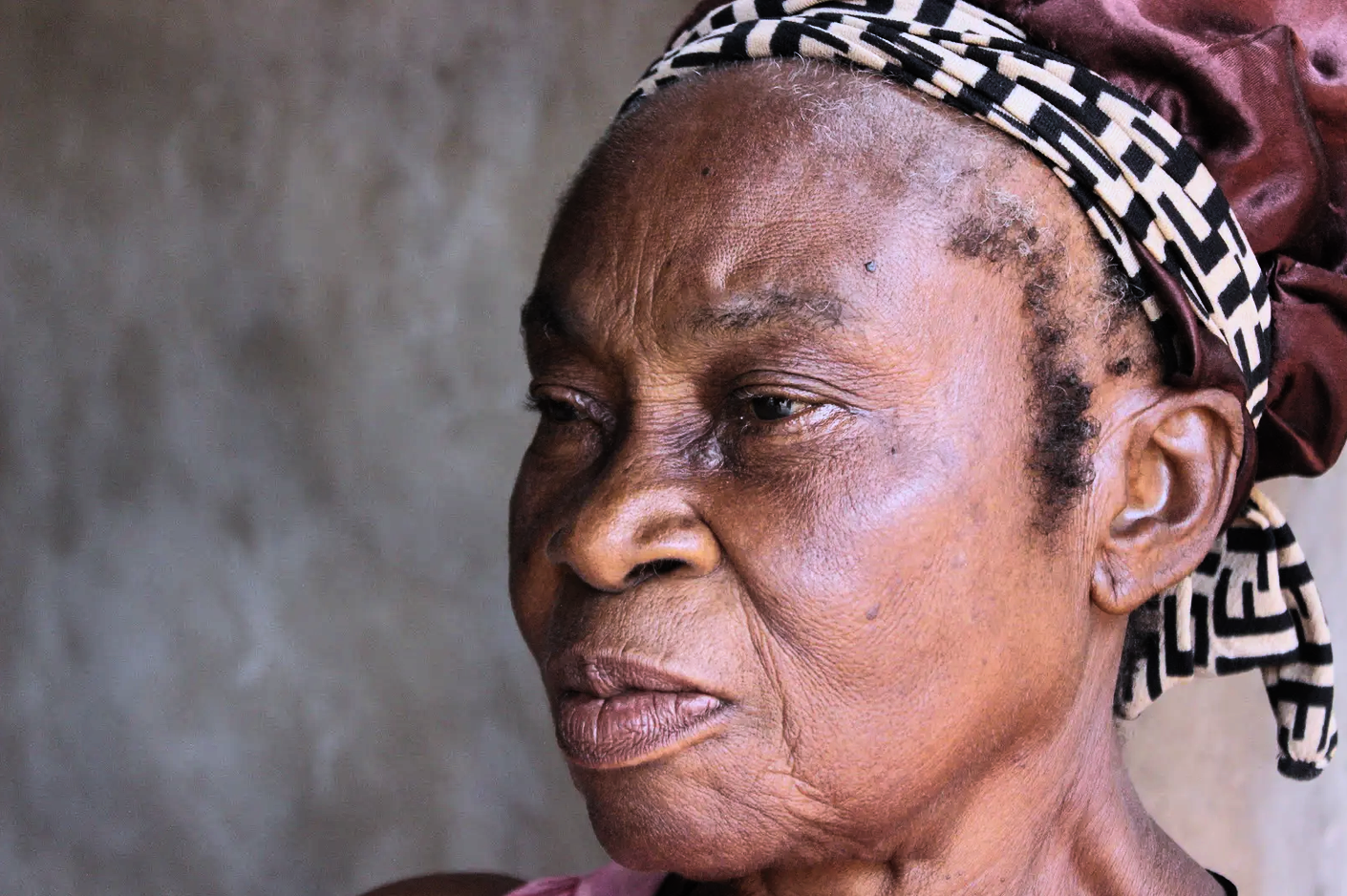
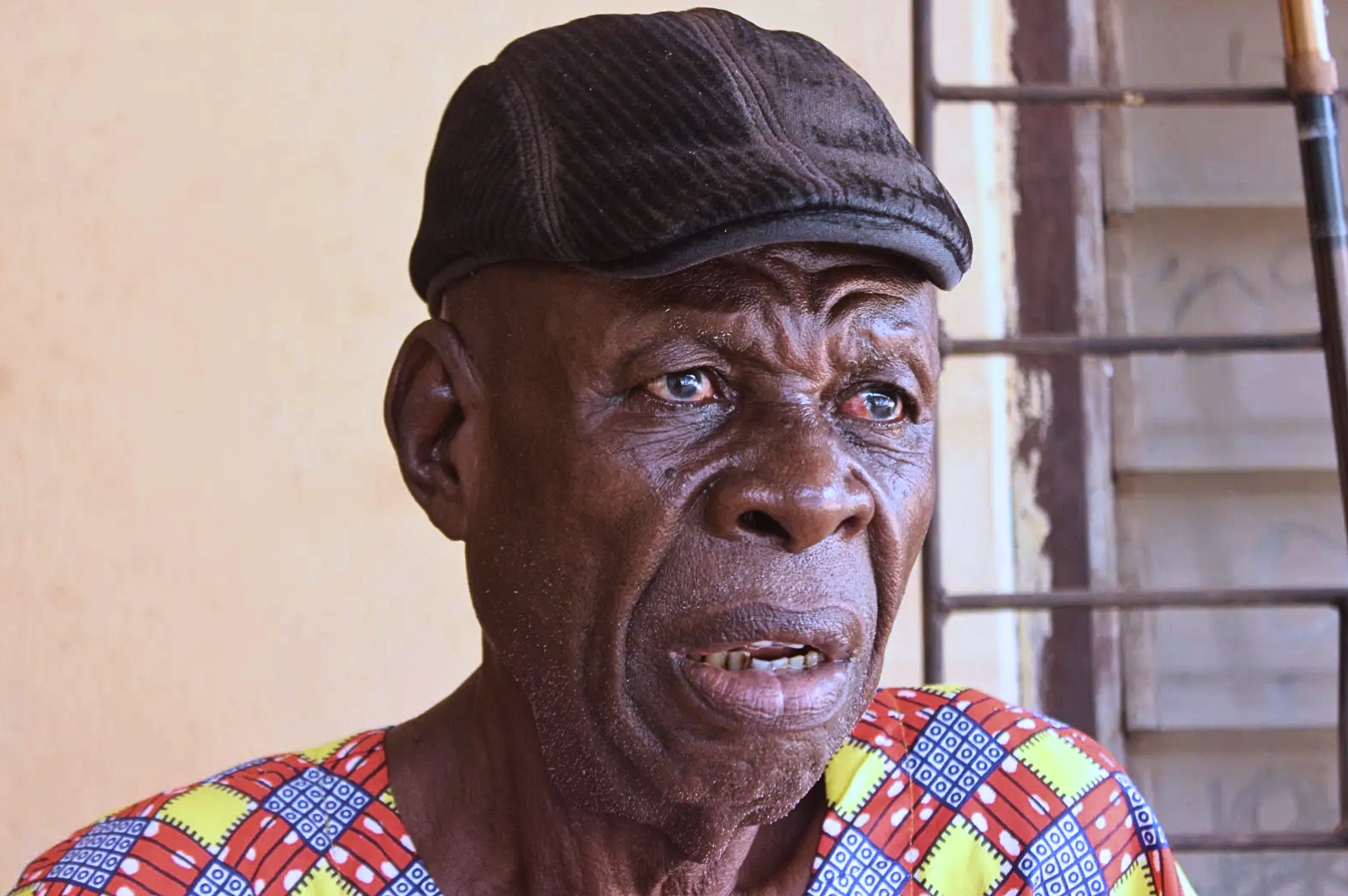
Ngozi Okoli remembers the Nigerian-Biafran War. Photo by Chukwuebuka Okoye. 2026.
We trekked from Oghe to Mgbagbu at night thinking it will stop. We moved from Mgbagbu after things cool down small to Aguobu-Owa. People were settling in Aguobu-Owa; that is where people were sleeping. Nobody owns a house — even the people of Aguobu-Owa. Everyone is confused. Nobody can say this is his place. Even if it’s under this table that you secured ,you and your children will stay there. That you carry mat or foam belongs to no one. Even people that own a car can’t afford fuel. Where will they see fuel? Everyone kept their car and used legs.
Where we ended it is that we were trekking ooooh until we got to Obinofia Ndiagu [sic]. We suffered in Obinofia Ndiagu. What my grandmother survived on was frying garri. She asked his son to bring her agbada, his bicycle, all the kitchen knife, two cooking pot and the thing they used to sieve garri and grater. Then, they use hand to grind garri. There was no engine; it is hand they use to grind this garri that you see. After grinding it, we use bamboo to dry it for four days before it dries before we start frying it. Anywhere we get to she goes to farms, farms settlements. She asks of who get the farm, and she buys cassava from them, and we will pile the cassava there because we have enough knife. We have our agbada and pan, with two pots to cook things to eat.
“…you might not finish frying the garri before people start running again.”
If we grind the garri, we will start from that time to dry it oooh and once we start it, tomorrow it is certain that we will start eating it. The way it’s done is that once you fry it, you bake it with old water. Soup is ready because they will ask you to start cooking soup because you might not finish frying the garri before people start running again and we throw away what is left… and gather our pot and carry the garri that is ready. We used leg from Oghe to the place I am telling you from there to Oji River. What people were doing was going to army camp to get share of food. There are times you will reach. It is the back of yam that people are packing. Onitsha yam because you know that it does have back. If you bring it you wash and cook it like that. Then, use teeth to scrape it after you leak oil and we move.
“…if they capture them, they take everything from them.”
This is what we did till we got to Akpugoeze, Orumba. We stayed longer in Akpugoeze but what happened on the way is that my mothers, sibling and the wife went separate, abandoning their children. The one I senior was with my grandmother, my mother and my two sibling and I are together. Everyone was scattered because nobody knows where to run to. We got to Akpugoeze — that is where we stayed longer. My mother started cooking hotel food…that is where we were, there are other of our people that do go on Afia attack. There are people that I know that came and I tell my mother see somebody like this. She does ask me where I see them and I tell her that I saw them in captivity. They do capture them that time and if they capture them, they take everything from them, their money. But they often hold Biafran money and the Nigerian currency, so they don’t hold one particular money, anywhere they get to they use the currency…we went to beg the army that are there and they release our sister we asked her where she is from and she said that she is from Aguobu-Owa because her father raised them in Aguobu-Owa. I asked her sister why is it that this is the kind of a thing you are doing? She said will she sit-down ideal because she is a grown-up lady. She said…her father and mother continue to provide for her, that is it.
“When we kill, we are proud of it and take titles.”
Photo by Chukwuebuka Okoye. 2026.
Later, our people Nawfija said that only us can’t stay there. There, this our brother that is into land army. He is the one supplying the military food Igwendu [Chief P.C Ndu OON]. He is the one that told our people that goes to Nkwelle Inyi to bring yam that they supply to the army which they eat. They said only us can’t stay there, that we will follow them to Nawfija.
We moved from Akpugoeze to Nawfija. We stayed there with them till the war ended. That is where Odenaigwe Udi provided car for the transportation of Agbaja people to be taken home but the last bus stop will be 9th Mile. When they bring the people to 9th Mile, the car returns there. The war didn’t reach Ajalli but the army were camped there, but they do throw bomb there. The war didn’t reach Nawfija, but the war reached Ufuma. The war didn’t reach Isu, Umunze the war didn’t reach there but it is from Nawfija that we come back here. That is it.
What happened [on the Afor market day when the community ran] is that plane were throwing bomb, if it is when the army just shoot gun… because the army were here. If the army shoot gun for awhile it stopped and people relax. This one is that plane was moving around, more than four planes was throwing bomb in Iwollo market. The popularity of the market didn’t start today. It’s been long the market is in place so it is the bombing they started drawing and burning of people house that people started looking for a means to be safe.
“Gabon are the people sending the food and Red Cross will be sharing it but kwashiorkor killed people too much.”
There are people that ran into the agu. There is what our people call agu where people go to farm. They go there as of February and stay for a very long time but if anything happens in the community they visit to attend and go back. They stay long before coming back. There is a festival in our community called Udumiri. It has been celebrated when people come back from the agu. They stay up to six months in the agu. It’s not as if they can’t come back. If it’s sweeping turn, the women do come back; if someone die in the community they do come back also, but when they carry their loads and belongings back home is after the cultivation. They only visit the farm and come back.
All the places we run to, we stay in the market. All the people that ran stay in the market. It is only in Akpugoeze that we stayed and got a house. One man, his wife and children showed us where to stay that is how it was with other refugees. The refugees do share food there were time Gabon do bring garri, Gabon, rice, milk, dry egg. Gabon are the people sending the food and Red Cross will be sharing it but kwashiorkor killed people too much. You can stay and someone’s leg and body will start swelling. Norway people do bring stockfish, if the Red Cross finish cooking, the food they cook is also with this cassava leaf so there will be vegetable in what people eat. They prepare the corn milk and will be dishing out the stockfish water.
Mostly the people that are serve enough [sic]… is the kwashiorkor patients. They are the ones they give the stockfish water big [sic].
“…if you kill tortoise, they will kill the person.”
You know that time people do trek more than now. You easily see bike or that even if you see bike then people don’t use it. There are some movements we make at night, nobody knows where we were going. If you come to a four-road junction, people will be coming this place and that place people will be confused on where to go and finally people will rest for the junction. If they see accommodation like this place or that place people do struggle for it. That is where people put their head. Nobody will ask you not to come in because everyone ran from their house. That you are big man or you will breathe inside his month was not in existence then. If you see where to stay some are in school; in Achi we stay in school. The Achi people will come to tell us that nobody should kill tortoise. That they don’t kill tortoise if you kill tortoise, they will kill the person.
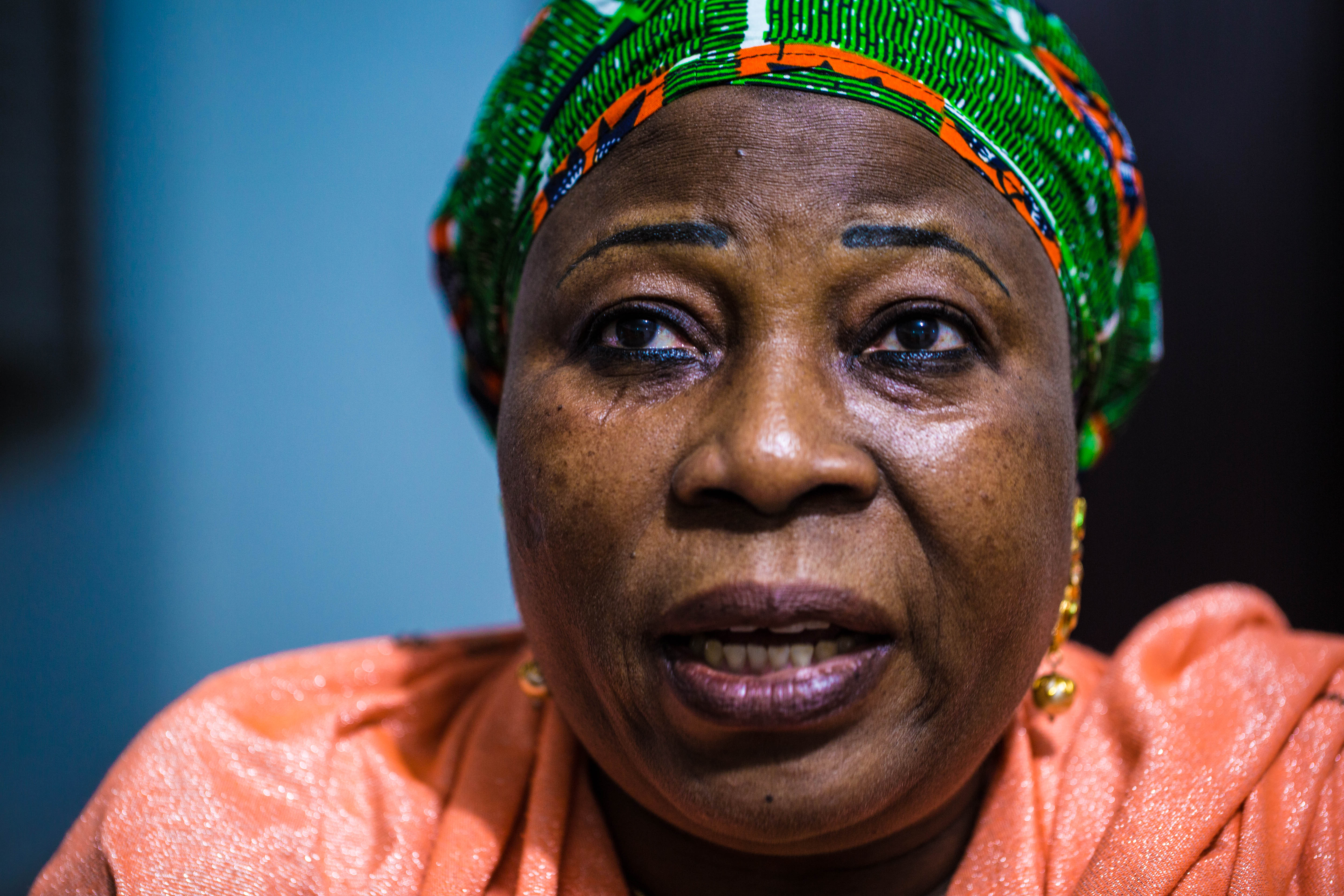
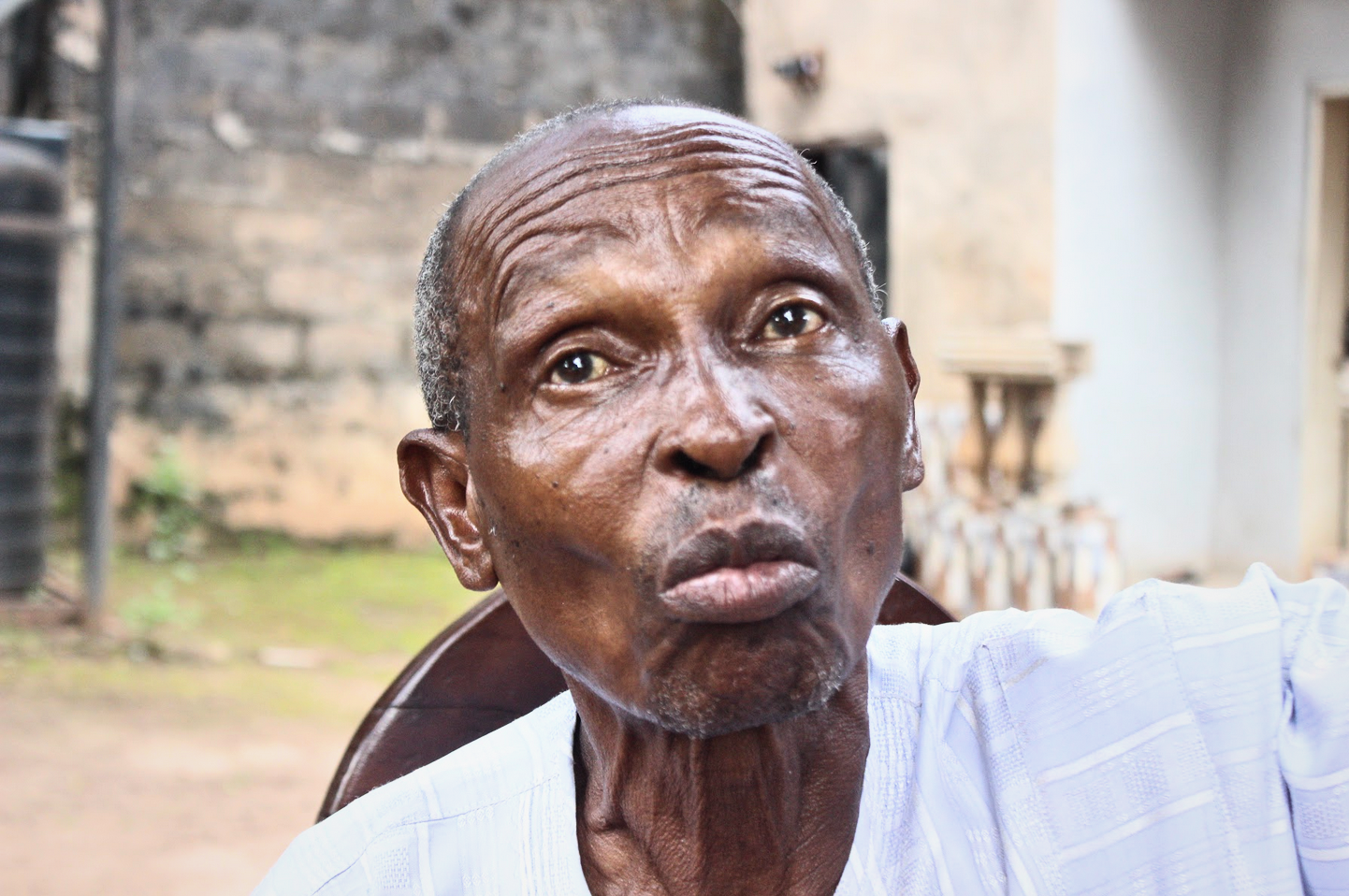
Photo by Chukwuebuka Okoye. 2026
Yes, [the Achi people came to the settlement to tell us the taboos of their community.] They are also helpful because there are times, they go to wash abacha in their river they call Apa. Before you go to the river you will move from here to Akama to ditch drinking water. After going even if they are twenty..hundred in the camp, where the refugees camped, they will share the abacha to everyone. This one will bring and give you and others will give the next person. That is how they will share it till it goes round and thing the person will go home with will not be much and tomorrow they go back again to continue.
No, it is only the Achi people [where I saw such a display of communal sharing]. It is only in Achi that I see such. What survives other places is the Red Cross. If they come to where you stay, they write your name. All the refugees. Like in the Akpugoeze that I told you that we stayed. When they come, they go house to house, if there are refugees in your house, if they come, they write the person’s name.
If you come the day, they share things they can give you stockfish, dry egg, garri Gabon and corn milk. That time if you bring hot water and add oil because that time, they have dried it. Everything is dried. You add it, oil and salt and start eating. There are times it will be stockfish. There is this stockfish they share that time that is salty. Salt was used in preserving it. The way it’s been used is that you put it inside water and sieve the water inside a bottle; when you want to cook, you use the water because there was no salt.
“During the war, there were mushroom everywhere.”
[When the war ended, my] place was the way it was when we left. But there are homes that burned. Like when I told you that Odenaigwe gave people car to bring back Agbaja and Ngwo people that is Enugu west. That is what it’s now, Enugu west but where they will drop you is in 9th mile. But if your place is close like Akpugo and Oji, they stopped Oji people.
I was happy to see my father [when I came back and he returned].
During the war, there were mushroom everywhere. When you harvest you give people. Nobody was saying they are not sharing their things like now, when, if you have something you hide it. Nobody hides thing. Like that time, there is mushroom called tete or elo eberebere before you touch it, you must shout. Only one person doesn’t eat it because if it is growing, it grow what is bigger than this square, mushroom will full everywhere. If you want to harvest it, you shout “ebere ebere efukwanu waku ooooh” three times before you start to harvest. As you are harvesting, another person will come and some one might start from the down and from all direction people will be harvesting. Anybody that comes will shout. If not the person will not eat the mushroom.
Ngozi Okoli remembers the Nigerian-Biafran War. Photo by Chukwuebuka Okoye. 2025.
“We have sinned against the mother earth.”
[If you didn’t shout before harvest] you can harvest it but when you eat it, it will kill you. It’s not supposed to be eaten by one person. You must shout. It is since dubiousness entered that when someone sees it the person murmur the words to themselves.
[There is] elo mgbu, that of breadfruit, cashew mushroom, elo agba. It is very difficult to eat. There is the one that when you harvest it, the tale will just follow straight.It full [sic] everywhere during the war. It is sin that stopped them. We have sinned against the mother earth. We kill humans the way they kill fowl. When we kill, we are proud of it and take titles.





Leave a Reply