
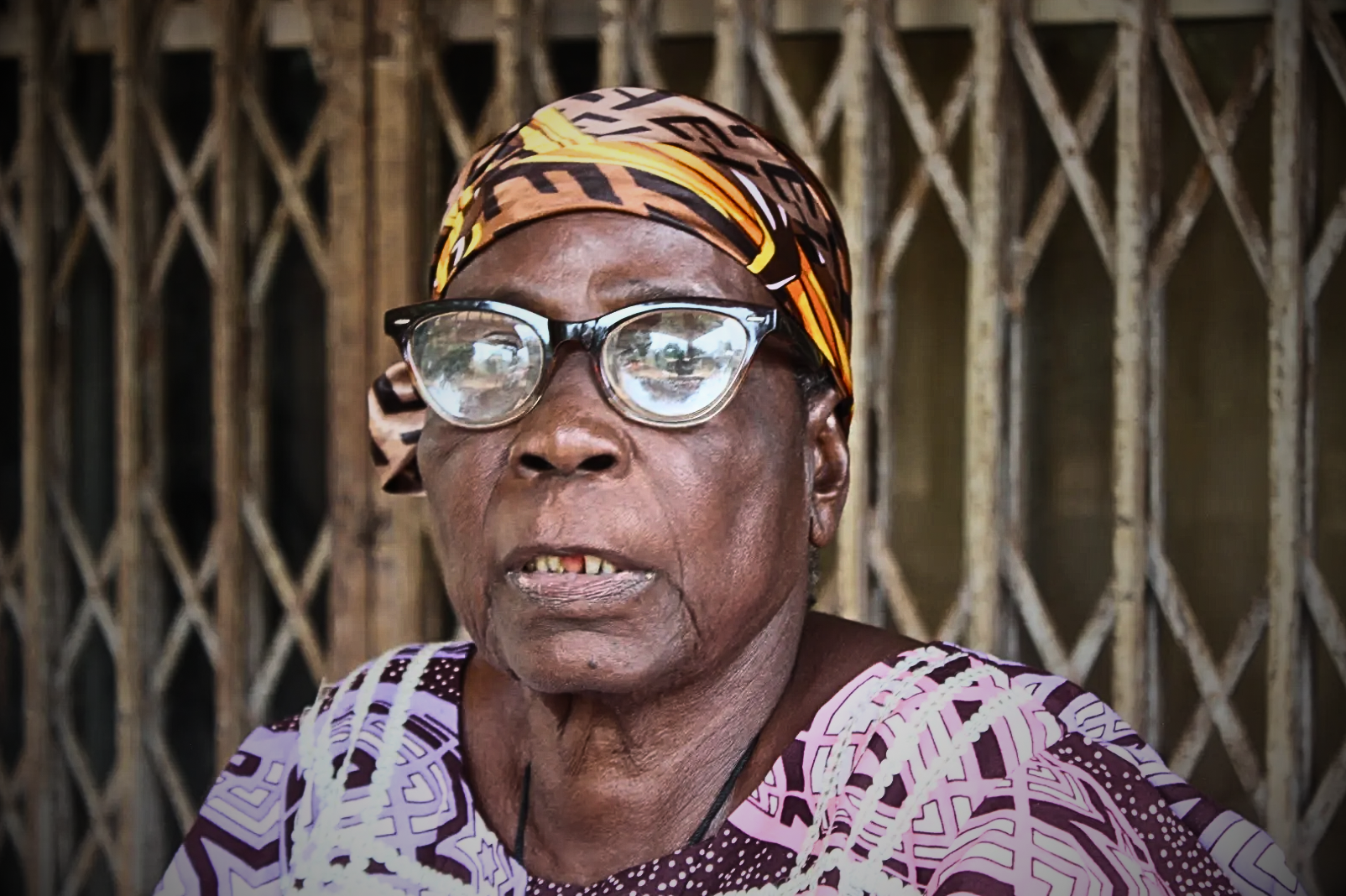
My name is Susanna, when the war started I was Susanna Okoye but now I am Susanna Okeke Ngbemena because I am married. I got married in ‘68. I moved in with my husband. When the war was starting there were rumors that the war is coming and some doubted it until the people living in the northern Nigeria started running, coming back to the East. Our people staying in the North brought back their properties and families.
“The sound of guns and rocket filled the air.”
They went back, but were killed. They never came back. Four siblings from Umudun where victims, none came back alive. They had already brought back their families and went back, they never made it back. People where confused about the situation because the killing started in the North and it was coming down here. The killing continued till 1966, when the war finally broke out. The sound of guns and rocket filled the air. We were told that the war have reached Abagana, people that came through river Niger said the enemy are approaching through Niger bridge, rumors where everywhere. People from Abagana and Enugwu-ukwu ran to this side, nursing mothers whose child is crying too much will have to abandon the baby and run with the grown-ups. Most of them camped in Umuoji and other in Okaome Primary school here in Uke. Most schools were converted to camp, some even camped in this my house, people from Ogidi, Eziowelle stayed with us in my house, we eat together and the war went on.

At a point we digged bunker and covered the top with log of woods and sands, when the rocket comes for attack we run into the bunker and after which one person will come out to check if it has gone. If the person didn’t hear any sound she invites all of us to come out. The war continued and we hoped that it will end anytime soon but it did. To survive we started going to market at Nkwelle Ofia Afia Attack in the evenings when there is no attack in the area, the soldiers tells us when there will be fight and when it’s free to pass.
Going to Afia attack we don’t talk on the way, we walk very fast and focus, there are some that were killed by the rocket, someone like Obiayanwa from my maternal side. She was killed by rocket on our way back, the attack started on our way back from market. That day she died alongside three other women whom I don’t know who they were or the community they come from. I was lucky to have crossed before the rocket landed and killed them. We kept on going to different market because men are not coming out, only women. we go to the market and buy palm kernel and we sell it Afuafu (cheapest price). Then when you buy plantains, you cut it and people come out to buy. Nobody has enough. The cassava that you have in your farm, the soldiers have harvested it. If you are lucky enough, you harvest leftovers then peel it and grind it. You use it to make fufu and use the of cassava leaf to make soup and eat. Any leaf that didn’t kill is seen as food and we eat it.
“The war actually ended, but life has never been the same.”
The war continued till 1970. As the 60s was ending they said they told the army that they have killed the whole Biafrans, so they came to take over the Biafran land. They were coming down to Oyeagu and Enugwu-ukwu axis. They were attacked by Biafran soldiers with ogbunigwe, they were all killed, our people ran to go and watch the attack. The war continued till 1970. They said the war is over. We couldn’t believe it.We couldn’t believe it. They said we should rejoice and we were rejoicing. It was true that the war had ended. We rejoiced because we were happy. The war actually ended, but life has never been the same. Before, everybody literally drinks with the same cup and cook with the same pot but after the war, problem everywhere. The war ended in 1970.

What happened, is that earlier I was in my father’s house. I was farming. I was farming green vegetables, garden eggs, ede-oku ( a species of cocoa yam) and plantain. My farm was doing well and the vegetable looking healthy. I harvest my green and garden egg and people come to the house to buy them and cook with it in their house.
“They don’t give us relief food.”
I was grinding the plantain and cocoyam together, flying it as as akara. Akara Biafra, that’s what they call it, and people were buying. Once I fly it in the morning, they will buy it off. That’s what I was doing. I was feeding my siblings well through the business and we looked healthy because of that we were deprived the civil defense food, when we get to the center they would say if everyone is looking healthy like us that they will not be bringing the relieve food and material. They don’t give us relief food. They said we are good, that we are okay and healthy. We go home crying.
I farmed. I farmed green and garden egg. Once I harvested it, I would sell it in Biafran currency. I sell the green, I fly the akara Biafra and we used the money from it to buy things to eat. These are the things I did before I got married. That time, they recognized us. But I couldn’t remember the dates. They recognized us to start using Biafra currency— no more Nigeria currency.

They recognized Nigeria to (sic) start using ego mmega. I got married two days after Biafran currency was recognized, so my bride price was paid with Biafra currency. After they paid my bride price, my family went and put the money in the bank in Nnobi [a community in present day Anambra state]. That is where the money is till today. They didn’t get it back.
I went to my husband’s house and lived with my new family. I was looking after his children that the ex-wife left behind. That period, men don’t go out. It’s only women that go out. You just look for a rag to tie because if you tie a nice rapper, they will take you. They will carry you. I followed my fellow women to the market. When we come back from the market, we sell few and eat some. Then tomorrow, we’ll continue. That is how we managed till the end of the war.
“What I know is that they call the [Biafran] currency is ego mmega.”
What we do in the market is that if you have Biafra currency you can buy, trade with it. But there are people that don’t have Biafra currency. People selling goods often gives discount when you have the Biafran currency because it is shining and very attractive. That is how we trade. But they were trade by barter which is mostly among indigenes. The person that has yam will speak to someone that has cassava who is also from Nkwelle. They exchange their goods.
What I know is that they call the [Biafran] currency is ego mmega. It has pounds. It has 5 Naira. It has 20 Naira. But we call it ego mmega, but when you want to buy goods, you can buy in Biafra pounds. If you don’t have it then any amount they told you, is what you will buy the goods. The army does not come to buy goods in the markets. But they go around people’s farm harvesting corn, cassava, and other things in the farm. When they come to your farm, they harvest your farm produce and when you meet them, they will harass you. You will have to run because they have guns, when they are done you will come back to harvest the leftovers and you replant the cassava as you harvest.

My akara Biafra, I use grinder, to grind cocoa yam and after it I will grind ripe Banana. I will mix them together. I use the banana as sweetener. I mix the two together. I mix them like Akara. I put oil on fire, then mold it. People come from far places to buy it. I just invented it. I used my mind. I was thinking what to do and the idea came to mind and I experimented it and it was good. My family ate it and it was nice. We tested it two times, my family enjoyed it. Then I thought that if I do it and decide to sell it, people will actually buy. Then I came outside, prepared where to sell it and I started the business. People loved it and were buying it.
I made lot of profit and I used it to take care of my siblings. The war started in ’65. So in the middle of ’65, ’66, is when I started the business. That was when I started the business. I was doing it and it was moving well. People were coming to learn it and I taught them. People started doing it.
“My relatives all survived. We are all alive.”
Final thought, the only thing I have in my mind is this. If they have agreed our independent, we would have known what to do. When you see your brothers and sisters, you identify them. Our nation would have been better. But they didn’t agree. The suffering and everything we went through, we are still suffering it today. We are still going through it because not everybody can afford three square meal now. I am grateful that, nobody close to me died during the war. My relatives all survived. We are all alive.
During the war, our fence was made of clay. There was a very big breadfruit behind here. It covers the house. People came here. People came here for refuge. We didn’t go anywhere. People came here for refuge because rocket doesn’t penetrate clay. So when it’s moving around, people come to our house and lay beside our clay fence because we covered it with palm fruit leaves.
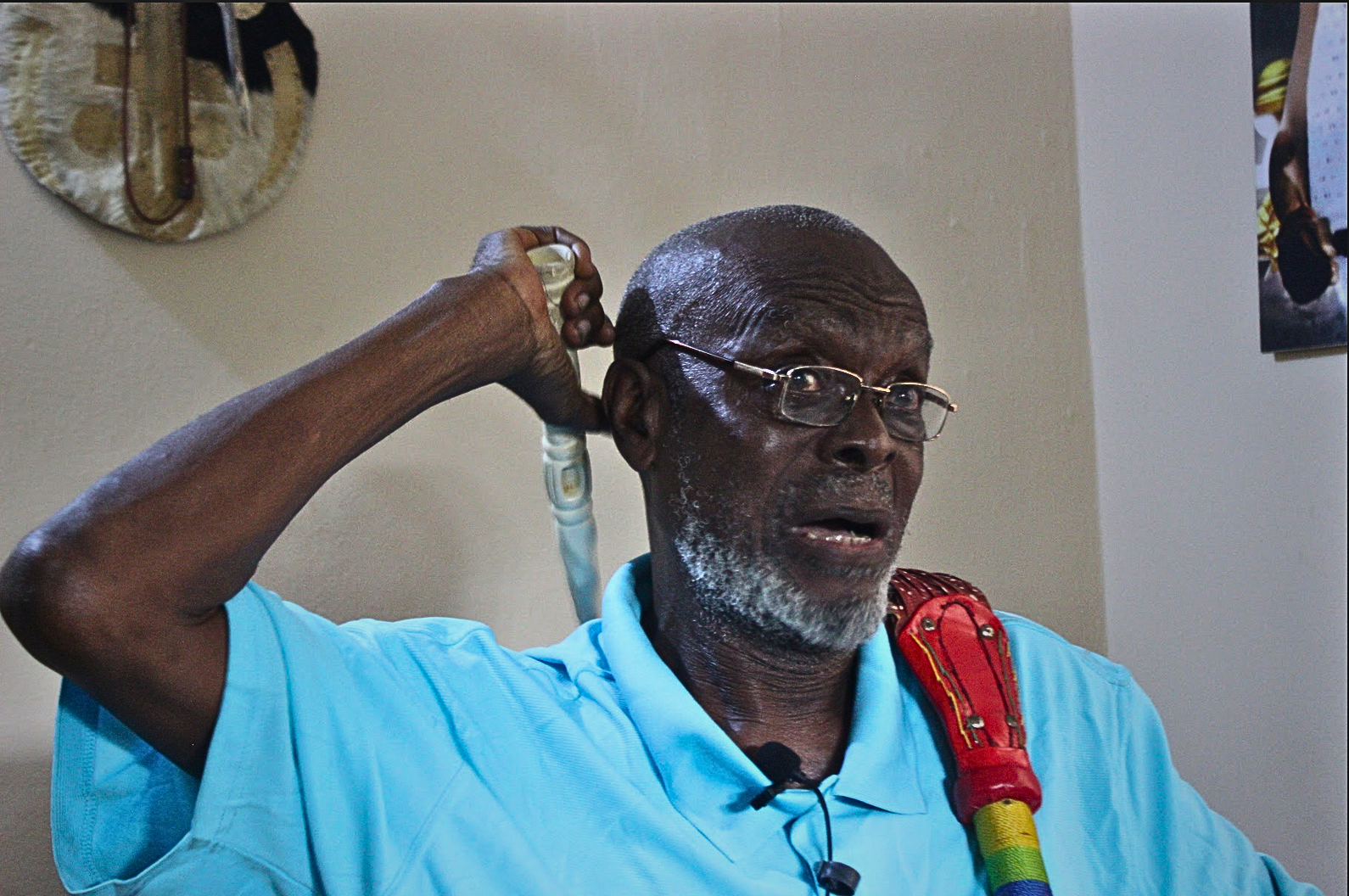
This interview was conducted in Uke, Anambra State in September 2025 by Chukwuebuka Okoye for Biafran War Memories, a program of ZIKORA Media & Arts African Cultural Heritage Organization.




Leave a Reply